
How to Monetize Your Podcast (Even With a Small Audience)
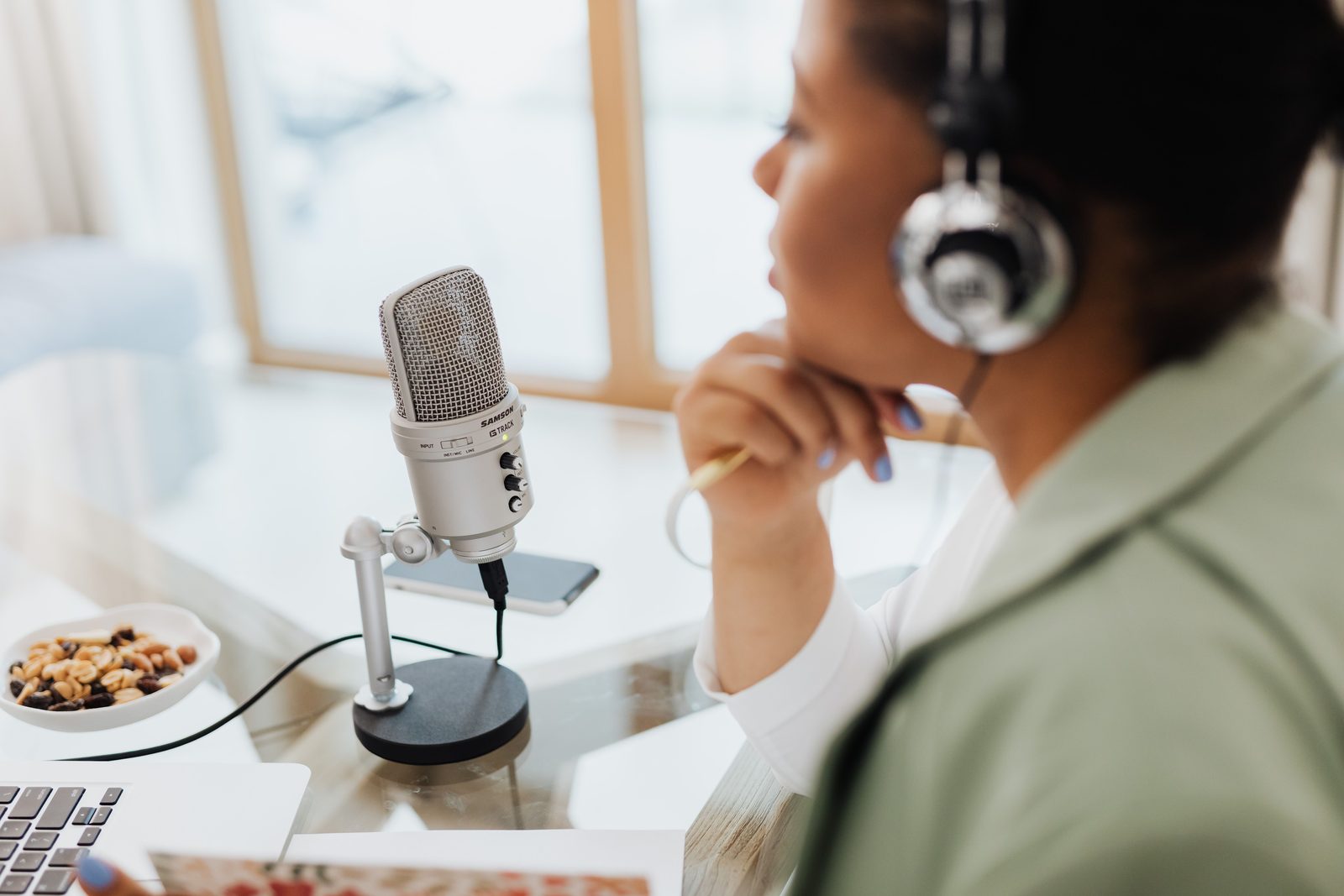
You don’t need a million downloads to make money from your podcast. You need a clear audience, a few good offers, and the confidence to ask. This guide walks through how to do that, in the order that actually works — whether you’re at 200 downloads an episode or 20,000.
Most podcast money advice is written for shows with 50,000+ downloads an episode. That’s not most shows. The median podcast gets a few hundred downloads per episode, and plenty of those shows earn real money.
Here’s why: brands don’t pay for size. They pay for fit and trust. A 400-listener show about backyard beekeeping is more valuable to a beehive supply company than a 40,000-listener comedy show. Your job isn’t to get huge. It’s to know exactly who listens and why they trust you.
Write this down first
“My podcast is for __ who want __.”
If you can’t fill that in, do that first. Everything below depends on it.
The four ways podcasts make money
There are dozens of “monetization strategies” floating around, but they all fall into four buckets. Start at the top and work down — the earlier options build the proof and trust that make the later ones pay.
1. Affiliate links (works even at 50 listeners)
You recommend a product, include a tracked link, and earn a cut when someone buys. No approval needed, no pitching, no minimum audience.
Why it matters more than the money: affiliate results are your first proof. “My listeners bought 30 units of X last quarter” is the single most persuasive line you can put in a sponsorship pitch later. You’re building your case while you earn.
How to do it well:
- Only recommend things you actually use. Listeners can hear the difference.
- Pick 2–3 products, not 20. Repeat them. Familiarity converts.
- Say the link out loud and put it in show notes. Most podcast clicks happen hours later, on a phone.
- Track it. A simple spreadsheet — product, episode, clicks, sales — becomes your pitch deck.
2. Listener support
Patreon, Buy Me a Coffee, Apple Podcasts Subscriptions, Supercast. Listeners pay you directly.
The insight: this converts at roughly 1–3% of your active listeners, so don’t expect to live on it. But a small paid tier does two things — it tells you who your superfans are, and it gives you a group you can survey, quote, and reference when pitching brands (“My paying members told me their biggest struggle is…”).
Keep it simple: one tier, one price ($5 is the sweet spot), one clear perk. Bonus episodes or ad-free versions work. Don’t promise a Discord you won’t maintain.
3. Brand sponsorships
A brand pays you to talk about them on your show. This is where the real money is for most independent podcasters — and where most people get stuck. We’ll spend the rest of this guide here.
4. Your own products (the long game)
Courses, consulting, a book, merch, a paid community. Highest margin, but it only works once you’ve earned trust, so it comes last. Your podcast is the marketing; the product is the business.
How podcast sponsorship money actually works
The number everyone quotes is CPM — cost per thousand downloads. Industry rates are roughly:
- $18–25 CPM for a 30-second pre-roll
- $25–50 CPM for a 60-second host-read mid-roll
So a show with 2,000 downloads per episode might charge $50–100 per mid-roll. Multiply across a four-episode package and you’re at $200–400. Real, but small.
The number that matters more is what the brand actually gets. A listener who hears you every week for a year has a relationship with you. When you say “I’ve used this for six months, here’s what changed,” it lands differently than any pre-roll ever will. Smart brands know this. They’ll pay above CPM rates for shows where the host is a real authority with an engaged niche, and they’ll use conversions, not downloads, to decide if it worked.
This is your opening. You’re not selling impressions. You’re selling a recommendation from someone your listeners trust.
How much should you charge for a podcast sponsorship?
Use this as a starting framework, then adjust up for fit and proof. These are floors, not ceilings.
| Downloads per episode | Pre-roll (30s) | Host-read mid-roll (60s) | 4-episode package |
|---|---|---|---|
| Under 500 | $25–50 | $50–100 | $100–200 |
| 500–2,000 | $50–100 | $100–200 | $200–400 |
| 2,000–5,000 | $100–200 | $200–400 | $400–800 |
| 5,000+ | Use CPM math | Use CPM math | $800–1,600, then negotiate |
If you have a tight niche, a professional audience (B2B, finance, health, tech), or proven affiliate conversions, charge more. And always sell packages, not single spots — one ad rarely converts; four in a row do.
Two things to always include in the deal:
- A usage clause — can the brand reuse your audio clip in their own ads? If yes, that’s extra. Charge for it.
- A link and code — so both of you can see results. Results are how you get renewed.
Not sure your rates are right? These two reads go deeper: you’re not charging too much — you’re just talking to the wrong brands and are brands paying you fairly?
How to pitch brands as a podcaster (without feeling weird about it)
Most podcasters wait for brands to find them. That works once you’re big. Until then, you go to them — and pitching isn’t begging. You’re offering a brand access to an audience they can’t reach any other way.
We teach pitching as a four-step loop. It’s the same method thousands of creators use inside Bento, and it works for podcasts exactly the same way.
1. Curate — pick the right brands
Don’t pitch everyone. Pitch brands that already should be on your show.
- What do your listeners already buy? (Ask them. Run a poll. Read your comments.)
- What have you mentioned on air that you’d recommend anyway?
- Which brands sponsor shows adjacent to yours? They’ve already decided podcasts work — you’re just a better fit.
Smaller and mid-size brands say yes faster than household names. A DTC brand with 20 employees has a founder or marketing lead who reads their own inbox. Build a list of 20, then multiply it — drop that list into an AI tool and ask for five more brands like each one (same category, same customer, similar size). Now you have 100 without doing 100 searches.
2. Decode — figure out what the brand actually wants
Before you write a word, spend five minutes on the brand:
- Are they launching something? A new product means they have budget right now.
- Who’s in their ads? That’s who they think their customer is. Does it match your listener?
- Are they already sponsoring podcasts? If yes, they have a process and a budget line. If no, make it easy for a first-timer.
- Find the right person. Look for “Partnerships,” “Influencer Marketing,” “Brand,” or “Growth” in the title — or the founder at a small company.
This is the step almost everyone skips, and it’s the one that makes your pitch feel written for them instead of pasted.
3. Tailor — write a pitch that’s about them, not you
The pitch is short. Five sentences:
- One line on why them. Reference something specific — a product, a campaign, a sponsor they already work with.
- One line on who you are. Show name, topic, who listens.
- One line of proof. A number that shows fit or results: “Listeners bought 40 units through my affiliate link last quarter,” or “62% of my audience are first-time homebuyers.”
- The offer. Be concrete: “A four-episode host-read package for $600, with a tracked code so we can both see results.”
- An easy next step. “Want me to send a few ad concepts I have?”
What not to do: don’t lead with your download count unless it’s impressive — lead with fit. Don’t send a media kit as the first email — earn the reply, then send it. Don’t write three paragraphs; nobody reads three paragraphs from a stranger. (More on that here: why your pitches get ignored, and how to fix it in 8 seconds.)
4. Land — follow up, close, deliver, renew
- Follow up twice. Most yeses come on the second or third touch. Wait 4–5 days and keep it to two lines.
- A question means interest. Answer it and restate the offer.
- “No budget right now” is a future yes. Ask when the next planning cycle is, and reach back out then.
- Over-deliver on the first campaign. Send the audio clip, a screenshot of the show notes, and results after 30 days. Brands renew with people who make their lives easy — which is also how you turn a one-off into a long-term partnership.
Do it faster with Bento
Everything above works manually. But the slow parts — finding the right contact at a brand, writing a pitch that doesn’t sound generic, and remembering to follow up — are exactly what Bento was built to remove:
- 1M+ verified brand contacts, so you’re emailing a real partnerships lead, not
info@ - AI-powered pitching built on the Curate → Decode → Tailor → Land method, so your first draft already sounds like you did your homework
- Automated follow-ups that go out on schedule, so no deal dies in your drafts folder
100,000+ creators use Bento to find brands, pitch them, and get paid. Start landing deals →
Your podcast is already valuable. Go get paid for it.
Frequently asked questions
Can you make money from a small podcast?
Yes. You don't need a huge audience to monetize a podcast — you need a clear niche and listeners who trust you. Brands pay for fit and engagement, not size, so a 400-listener show with a focused audience can out-earn a 40,000-listener show with a broad one. Affiliate links work at any size, and niche shows can land brand sponsorships with just a few hundred engaged downloads per episode.
How many downloads do you need to get podcast sponsors?
There's no hard minimum. You can earn from affiliate links with as few as 50 listeners. For paid brand sponsorships, most independent shows start landing deals somewhere around 500 downloads per episode — but a tight niche and proven listener trust matter far more than raw download count. A small, engaged, well-defined audience is easier to sell than a large, generic one.
How much should you charge for a podcast sponsorship?
A common starting framework is roughly $18–25 CPM (cost per thousand downloads) for a 30-second pre-roll and $25–50 CPM for a 60-second host-read mid-roll. In practice, a show with 2,000 downloads per episode might charge $50–100 per host-read spot, or a few hundred dollars for a four-episode package. Niche, professional audiences (B2B, finance, health, tech) and proven affiliate conversions justify charging above these rates.
How do you find podcast sponsors?
Start with brands that already fit your show: products your listeners buy, things you'd recommend anyway, and companies that already sponsor podcasts adjacent to yours. Smaller and mid-size brands say yes faster than household names. Build a list of about 20 good-fit brands, then find the right contact — look for someone in Partnerships, Influencer Marketing, Brand, or Growth, or the founder at a small company — and pitch them directly instead of waiting to be discovered.
What's the fastest way to start monetizing a podcast?
Affiliate links. They need no approval, no minimum audience, and no pitching — you recommend a product you actually use, share a tracked link, and earn a cut of sales. Beyond the income, affiliate results are your first proof of influence, which becomes the most persuasive line in a brand sponsorship pitch later.
Stop waiting to be discovered.
Bento finds the brands, writes the pitch, and follows up — so you land more paid deals.
Start landing deals →